How To Sleep Better With Anxiety And Depression

Alcohol And Insomnia Is Abuse More Prevalent Among Insomniacs
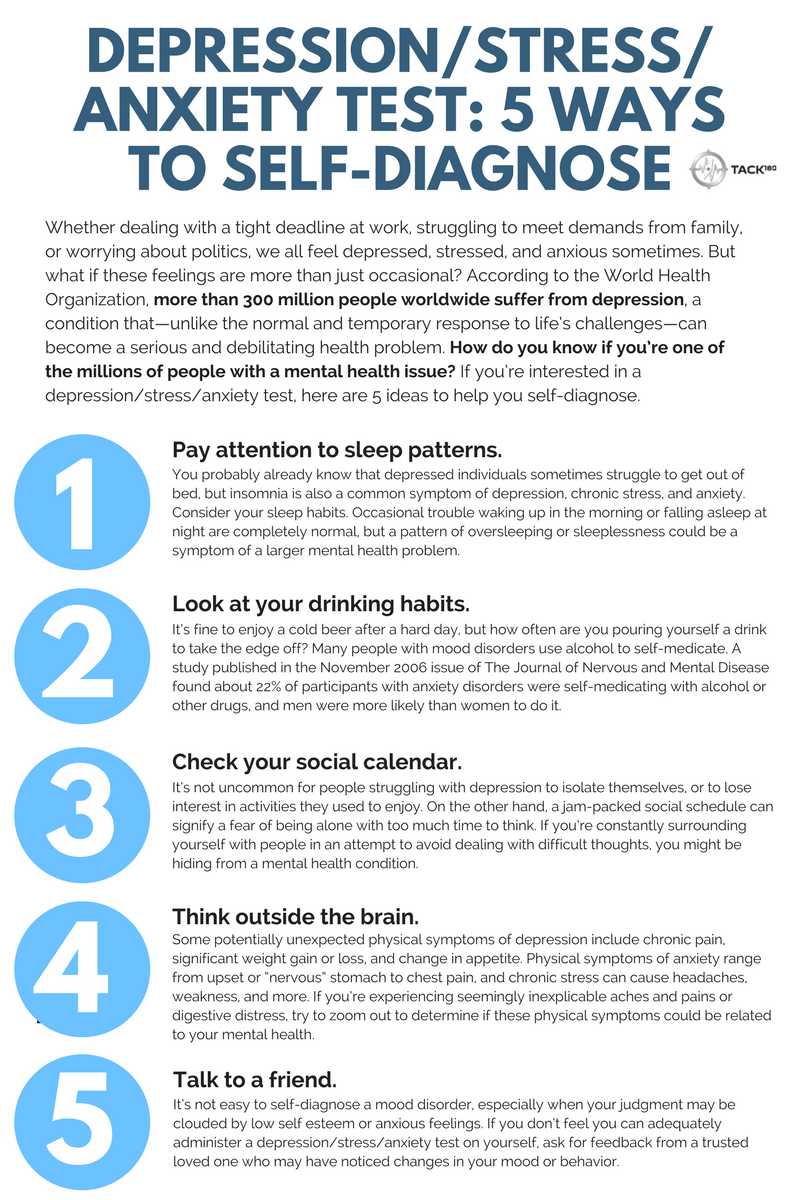
Depression Stress Anxiety Test 5 Ways To Self Diagnose Yourself

What It Feels Like To Have Anxiety And Depression At The Same Time
8 Hour Sleep Affirmations Anxiety Depression Self Help Meditation
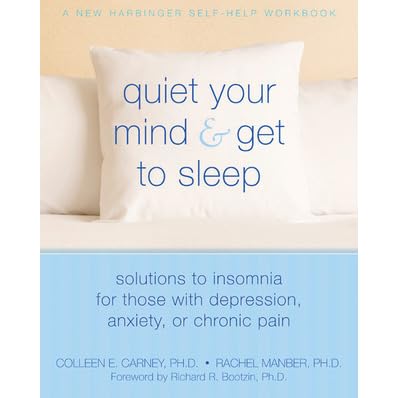
Quiet Your Mind And Get To Sleep Solutions To Insomnia For Those

There S A Strong Link Between Anxiety And Depression And Sleep

Pdf Epidemiology Of Insomnia Depression And Anxiety
Thats a no brainer.
How to sleep better with anxiety and depression. Tips for improving sleep and managing anxiety. But there are several key differences that help distinguish between the two. In turn depression can lead to sleep problems. Since sleep and depression both affect your brain they can have big effects on each other as well.
Its an excellent habit to use during the day to reduce stress which ultimately helps you sleep better. The sleep depression link sleep problems are often the first sign of depression. Moving your body in the morning or afternoon can help you get your sleeping and waking cycle back on track and also treat insomnia or sleep apnea. I have nights where i wake up at say 3 or 4am and dont return to bed for hours because i feel keyed up.
Ive also had sleep difficulties because of anxiety. Headphones are not required but can be used for this track. Join the sleep ezy. Sleep as we all know is absolutely vital for bodily repair cognitive function and general all round health.
Like meditation tai chi chih can be considered a useful nonpharmacologic approach to improving sleep quality in older adults and has the potential to ameliorate sleep complaints possibly. Meditation is not only great for depression. Feelings of confusion irritability or frustration. Some symptoms of depression and anxiety overlap such as problems with sleep irritability and difficulty concentrating.
Primarily lack of. Its a vicious cycle because anxiety can cause sleep problems and poor sleep tends to enhance anxiety. Insomnia can also lead to feelings of anxiety frustration hopelessness exhaustion and an inability to concentrate. Calming music to help you achieve a deep calm sleep thus relieving insomnia stress depression and anxiety.
Move your body exercise has been found to both lower anxiety and improve sleepbut try not to exercise right before sleep as it can keep you awake. One study found that the lack of sleep could impair the brains ability to process negative emotions or experiences which in turn can increase a persons chances of developing mental illnesses such as depression or anxiety. Research and clinical experience show that insomnia is associated with reduced quality of life as well as depression. Exercise helps reduce anxiety and depression and improves sleep quality.
